GWANGJU 5.18
Identité urbaine et combat démocratique
A date attached to the name of the former capital of South Jeolla Province; a searing term for all South Korean democrats. The events documented in the photographs gathered here concern only a few days, from 18 to 27 May 1980. Yet their importance is inversely proportional to their duration, for the Gwangju Uprising occupies a central place in the process of democratization in South Korea.
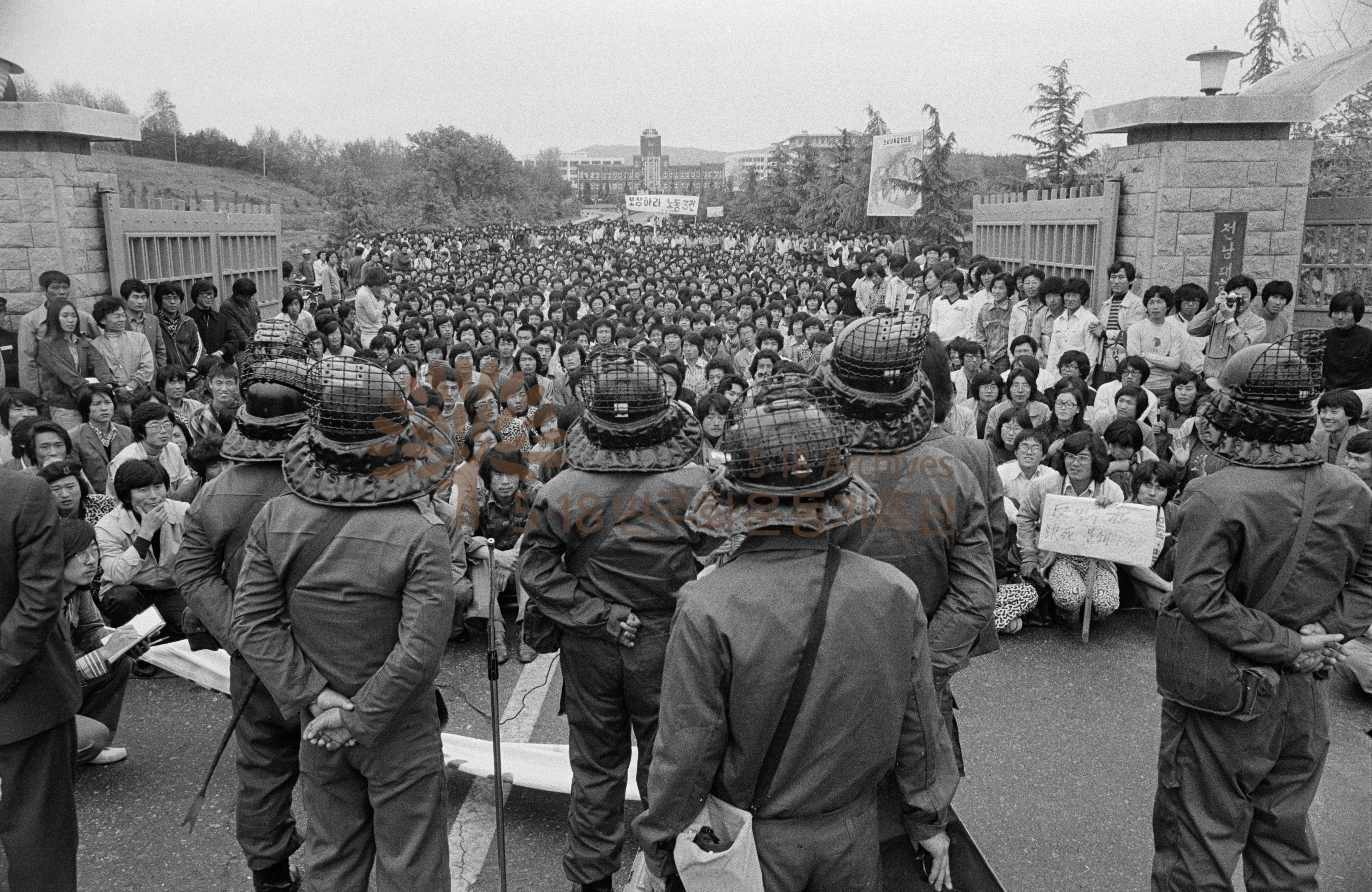
3-16
MAY
The assassination of General Park on October 26, 1979 sparked widespread protests among the Korean people, who had endured many years of dictatorship. Their main demands included autonomy for universities, the lifting of martial law, and guarantees of fundamental workers' rights...
READ MORE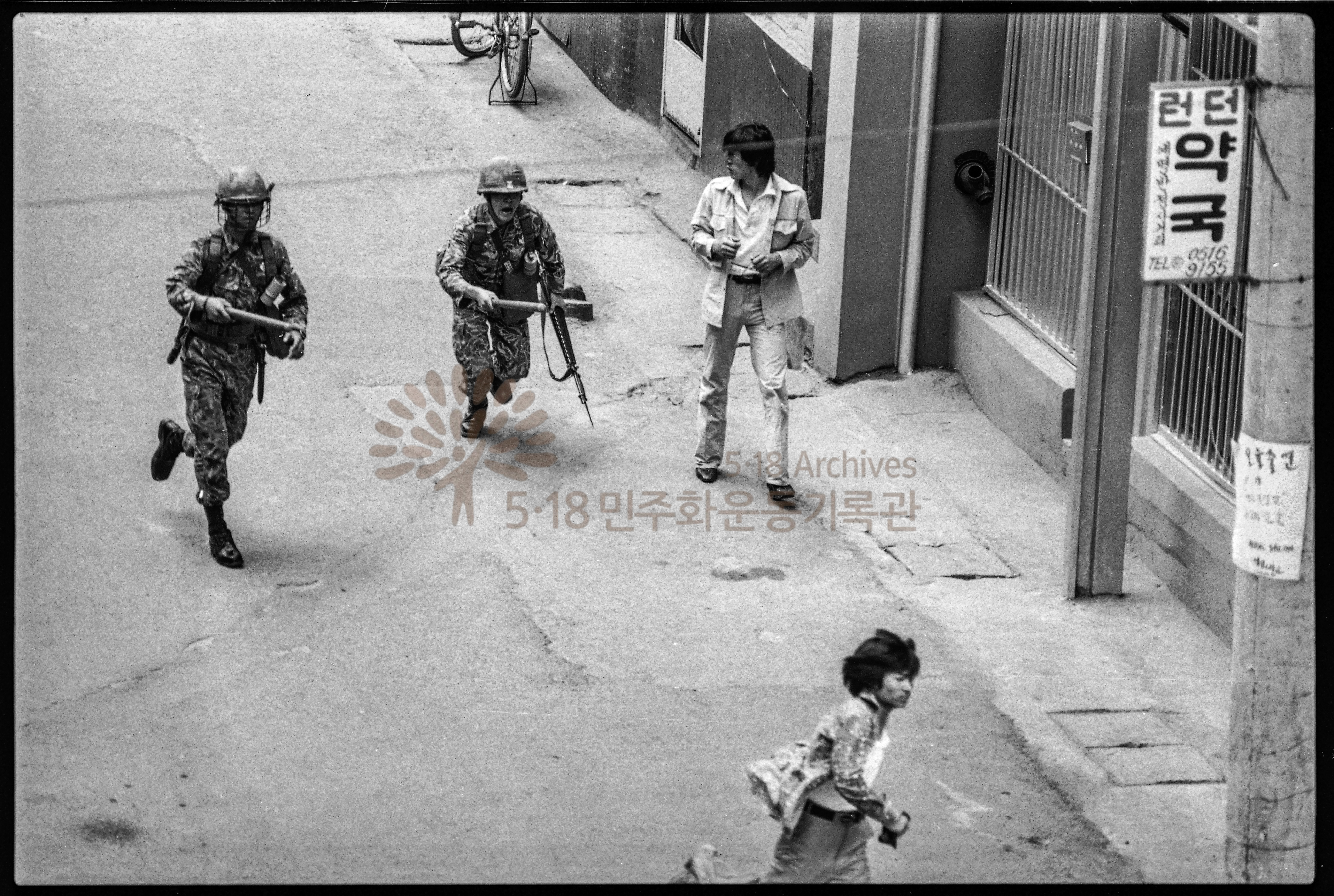
18-19
MAY
During the night of May 17, the military junta announced "the extension of the state of emergency to the entire country" and the closure of all universities, with 24 opposition politicians and numerous figures involved in the fight for democracy being arrested. More than 25.000...
READ MORE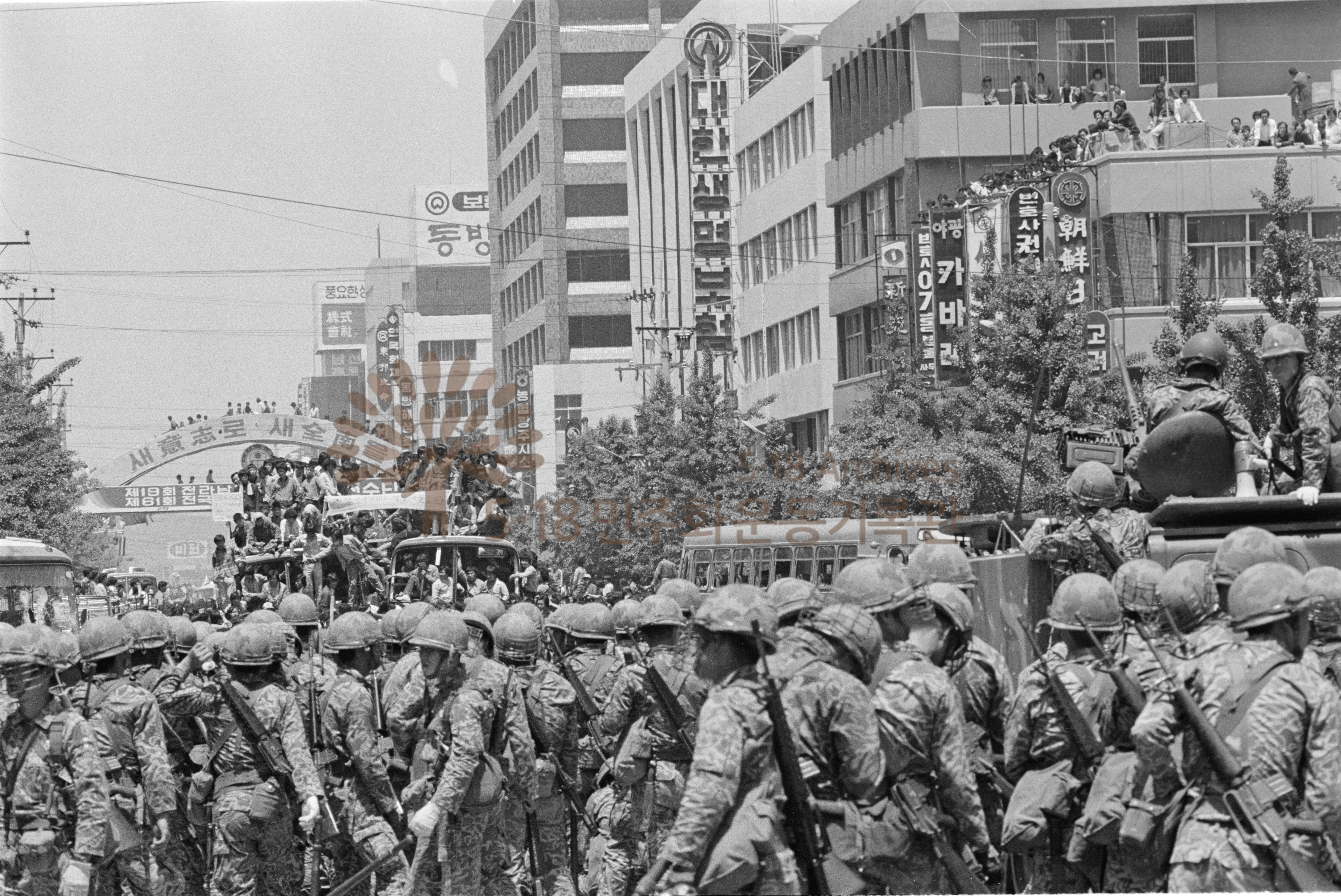
20-21
MAY
On May 20, as the movement's support base expanded considerably, winning over large sections of the population of Gwangju, the demonstration turned into a widespread uprising. At around 7 p.m., a procession consisting of a truck, 11 buses, and approximately 200 taxis...
READ MORE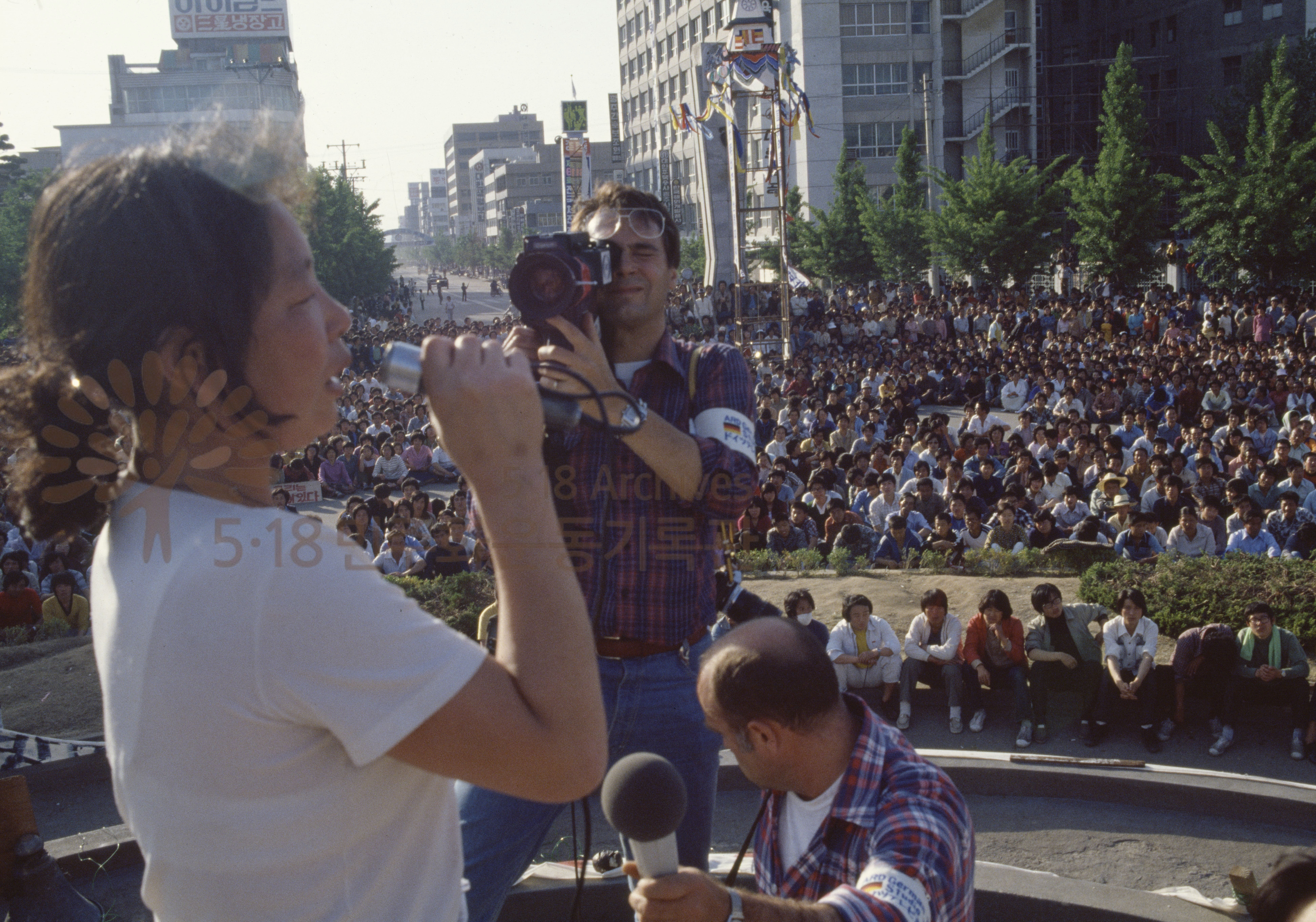
22-26
MAY
After the withdrawal of troops, the main roads leading to other regions were blocked and communications were suspended, cutting Gwangju off from the rest of the world. However, the city did not collapse and managed to maintain order and organize itself. Every day, tens of thousands of...
READ MORE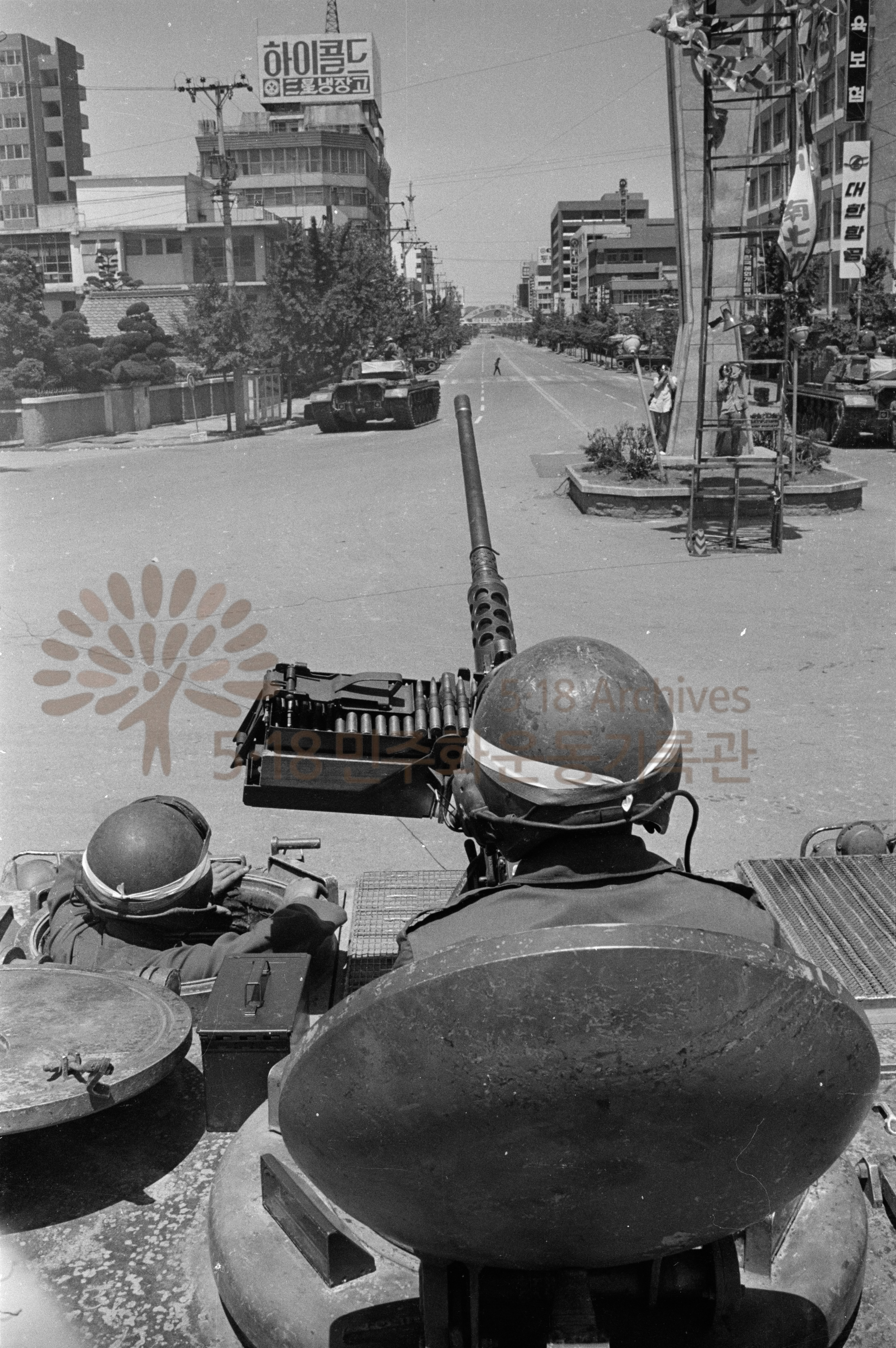
27
MAY
The military regime prepares its final suppression operation by deploying the 11th Airborne Brigade and the 20th Division, after obtaining approval from the United States. On May 26, the military calls on the citizen militias to surrender. However, many residents remain determined to defend the Provincial Office, pledging to resist until the very end. Facing a heavily armed army...
READ MORE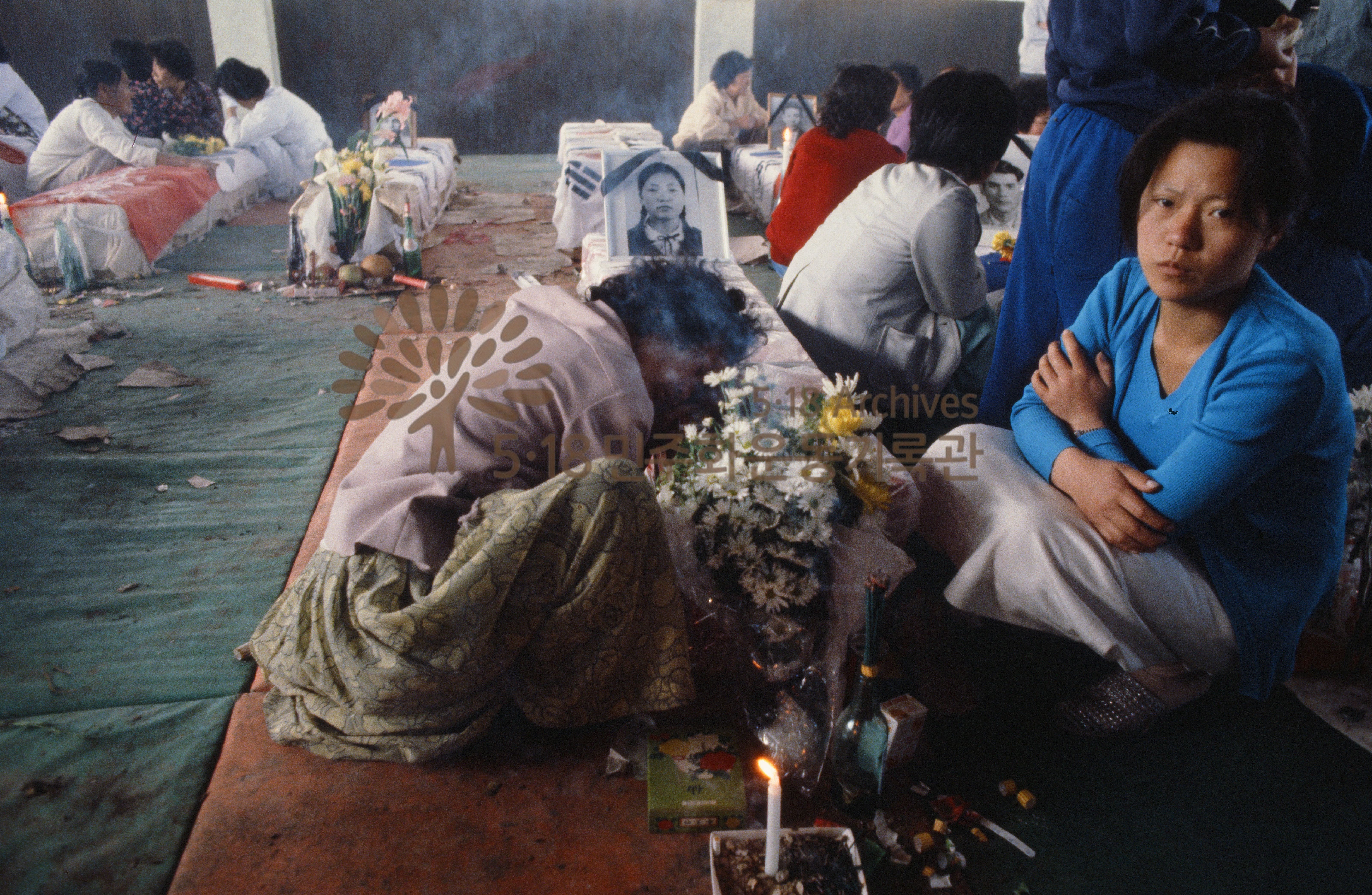
1980-
NOW
In Gwangju, the memory of the events of May 1980 remains an open wound, kept alive through ongoing efforts to commemorate the victims of a brutal repression. This memory has become a fundamental part of the city's identity. The remembrance of the...
READ MORE